

In recent years, environmental sustainability has become a global concern, influencing consumer choices and business practices across various industries. As a supplier of boot shapers, I've often been asked about the environmental friendliness of our products. This blog aims to delve into this topic, exploring the environmental aspects of boot shapers and providing insights for environmentally conscious consumers and businesses.
Understanding Boot Shapers
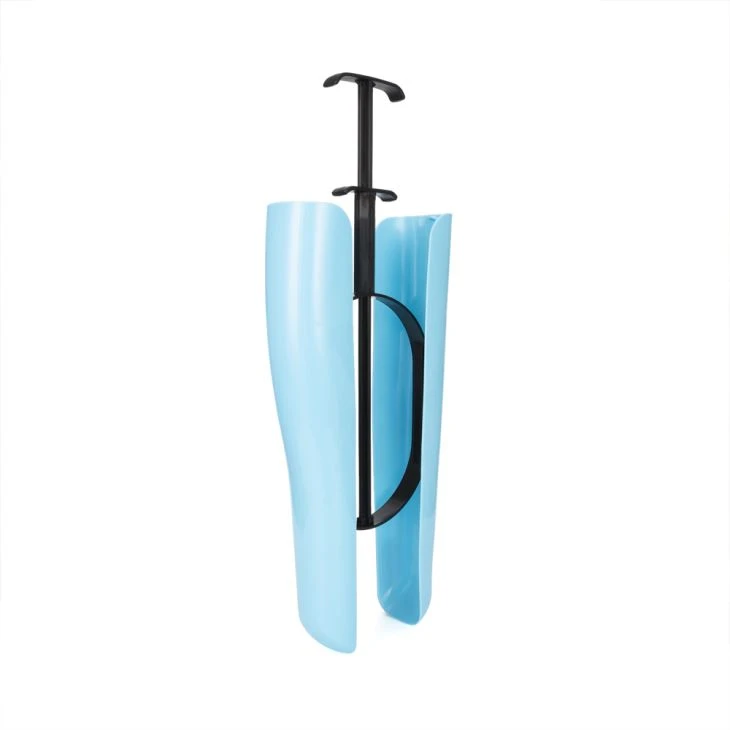
Boot shapers are essential accessories designed to maintain the shape of boots when they are not in use. They prevent boots from sagging, creasing, and losing their original form, thus extending the lifespan of the boots. At our company, we offer a range of boot shapers, including Knee high boot shapers, Plastic Boot Shaper XC - A08, and Plastic Boot Shaper for Tall and Short Boot. These products are made from high - quality plastic materials, which offer durability and effectiveness in keeping boots in good condition.
The Environmental Impact of Plastic Boot Shapers
Plastic is a widely used material in the manufacturing of boot shapers due to its affordability, flexibility, and durability. However, plastic has long been associated with environmental problems. The production of plastic requires the extraction of fossil fuels, which is a non - renewable resource. The process of refining these fossil fuels into plastic releases significant amounts of greenhouse gases, contributing to climate change.
Moreover, plastic is not biodegradable. Once discarded, plastic boot shapers can persist in the environment for hundreds of years. They can end up in landfills, where they take up space and may leach harmful chemicals into the soil and groundwater. Plastic waste also poses a threat to wildlife, as animals may mistake it for food or become entangled in it.
Our Efforts Towards Environmental Sustainability
Despite the environmental challenges associated with plastic, we are committed to reducing the environmental impact of our boot shapers. One of our key strategies is to optimize the manufacturing process. By using advanced technologies and efficient production methods, we can minimize the amount of plastic used in each boot shaper without compromising its quality and performance.
We also invest in research and development to explore alternative materials. For example, we are looking into the use of biodegradable plastics, which can break down naturally in the environment over time. These biodegradable plastics are made from renewable resources such as corn starch or cellulose, reducing the reliance on fossil fuels.

In addition to material innovation, we encourage our customers to recycle our boot shapers. We provide clear instructions on how to recycle plastic products and work with local recycling facilities to ensure that our boot shapers can be properly recycled at the end of their life cycle.
Comparing with Other Materials
When considering the environmental friendliness of boot shapers, it's important to compare plastic with other materials that could be used. Wood is a natural and renewable resource. Wooden boot shapers can be a more sustainable option as they are biodegradable. However, the production of wooden boot shapers requires logging, which can lead to deforestation if not managed properly. Also, wooden boot shapers may be more expensive and less durable than plastic ones.
Another alternative is cardboard. Cardboard is recyclable and made from renewable resources. It is also lightweight and inexpensive. But cardboard boot shapers may not be as effective in maintaining the shape of boots, especially for heavy - duty or tall boots.
The Long - Term Environmental Benefits of Using Boot Shapers
While the production and disposal of boot shapers have environmental impacts, it's important to consider the long - term benefits. By using boot shapers, consumers can extend the lifespan of their boots. This means that they don't need to replace their boots as often, reducing the overall demand for new boots. The production of boots, especially those made from leather, has a significant environmental footprint, including water pollution, energy consumption, and the use of chemicals.

So, in a way, boot shapers can contribute to environmental sustainability by reducing the need for new boot production. If we can ensure that the boot shapers themselves are produced and disposed of in an environmentally responsible manner, the overall environmental impact can be minimized.
Our Future Plans for Environmental Sustainability
Looking ahead, we have several plans to further improve the environmental friendliness of our boot shapers. We will continue to invest in research and development to find more sustainable materials and manufacturing processes. We aim to increase the proportion of biodegradable plastics in our product line in the next few years.
We also plan to strengthen our recycling program. We will explore partnerships with more recycling facilities and expand our reach to ensure that more of our boot shapers are recycled. In addition, we will provide more educational resources to our customers about the importance of environmental sustainability and how they can contribute.
Conclusion
In conclusion, the question of whether boot shapers are environmentally friendly is complex. While plastic boot shapers, which are commonly used in the market, have certain environmental drawbacks, there are ways to mitigate these impacts. Through innovation in materials, optimization of manufacturing processes, and promotion of recycling, we can make boot shapers more sustainable.
As a supplier, we are dedicated to taking responsibility for the environmental impact of our products. We believe that by working together with our customers and partners, we can achieve a more sustainable future. If you are interested in our boot shapers and want to learn more about our environmental initiatives, or if you are considering purchasing our products for your business or personal use, we welcome you to contact us for further discussion and procurement negotiation.
References
- "Plastic Pollution: A Global Challenge." United Nations Environment Programme.
- "The Environmental Impact of Leather Production." World Wildlife Fund.
- "Recycling and the Circular Economy." European Union.