

Hey there! I'm a supplier of shoe inserts, and you might think I'd only talk about the good stuff. But today, I'm going to be straight with you and discuss the disadvantages of shoe inserts. It's important to know both sides of the coin, right?
1. Fit and Comfort Issues
One of the most common problems with shoe inserts is getting the right fit. You see, everyone's feet are unique. They come in different shapes, sizes, and arch heights. A one - size - fits - all insert just doesn't cut it. Sometimes, an insert might be too thick for your shoe. When you put it in, your foot gets cramped, and it feels like you're wearing shoes that are a size too small. This can lead to blisters, calluses, and overall discomfort.
For example, if you have a pair of dress shoes with a narrow toe box and you insert a thick orthotic insert, your toes will be squished together. You'll start to feel pain in your toes, and it can even cause problems like hammertoes over time.
Another fit issue is related to the arch support. Some inserts claim to have great arch support, but if it doesn't match the natural arch of your foot, it can do more harm than good. If the arch support is too high, it can put excessive pressure on the arch, leading to pain and fatigue. On the other hand, if it's too low, it won't provide the necessary support, and you might as well not have an insert at all.
2. Hygiene Concerns
Shoe inserts can be a breeding ground for bacteria and fungi. Since they're in direct contact with your feet, they absorb sweat and moisture. And where there's moisture, there's a risk of mold and mildew growth. This can not only make your shoes smell bad but also cause skin problems like athlete's foot.
Think about it. You wear your shoes all day, your feet sweat, and the insert soaks it up. If you don't clean the insert regularly, it'll start to smell funky. And those bacteria and fungi can spread to your feet, causing itching, redness, and even blisters. It's not a pleasant situation.
3. Compatibility with Shoes
Not all shoe inserts are compatible with all types of shoes. For instance, if you have a pair of high - heeled shoes and you try to put in a thick, bulky insert, it can change the balance and stability of the shoe. You might find it harder to walk in those heels, and there's an increased risk of falling.
Similarly, some inserts are designed for athletic shoes. If you try to use them in dress shoes, they might not fit properly, and they can make your shoes look bulky and unprofessional. And let's not forget about the soles of the shoes. Some inserts can interfere with the natural traction of the shoe, making it slippery and dangerous, especially on wet surfaces.
4. Cost
Quality shoe inserts can be expensive. If you're looking for inserts with advanced features like shock absorption, custom arch support, or materials that are breathable and durable, you'll have to pay a premium. And let's face it, not everyone can afford to shell out a lot of money for shoe inserts.
Moreover, inserts don't last forever. They wear out over time, especially if you use them frequently. So, you'll have to keep buying new ones, which can add up to a significant cost in the long run.
5. Dependency
Using shoe inserts for a long time can create a dependency. Your feet get used to the support provided by the inserts, and over time, the muscles in your feet can become weaker. When you take out the inserts, you might experience pain and discomfort because your feet aren't used to functioning without that extra support.
It's like having a crutch. If you rely on it for too long, your legs will get weaker, and it'll be harder to walk without it. The same goes for your feet and shoe inserts.
6. Limited Durability
Most shoe inserts have a limited lifespan. The materials they're made of can wear out quickly, especially if you're an active person. For example, the foam in some inserts can compress over time, losing its ability to provide support. The fabric covering can also tear or fray, making the insert look shabby and reducing its effectiveness.
If you're someone who walks a lot, runs, or participates in sports, you'll probably find that your inserts need to be replaced more often than someone who has a more sedentary lifestyle.
Our Solutions
At our company, we understand these disadvantages, and we're constantly working to address them. We offer a range of high - quality shoe inserts that are designed to fit a variety of foot types. Our inserts are made from breathable materials to reduce the risk of hygiene problems.
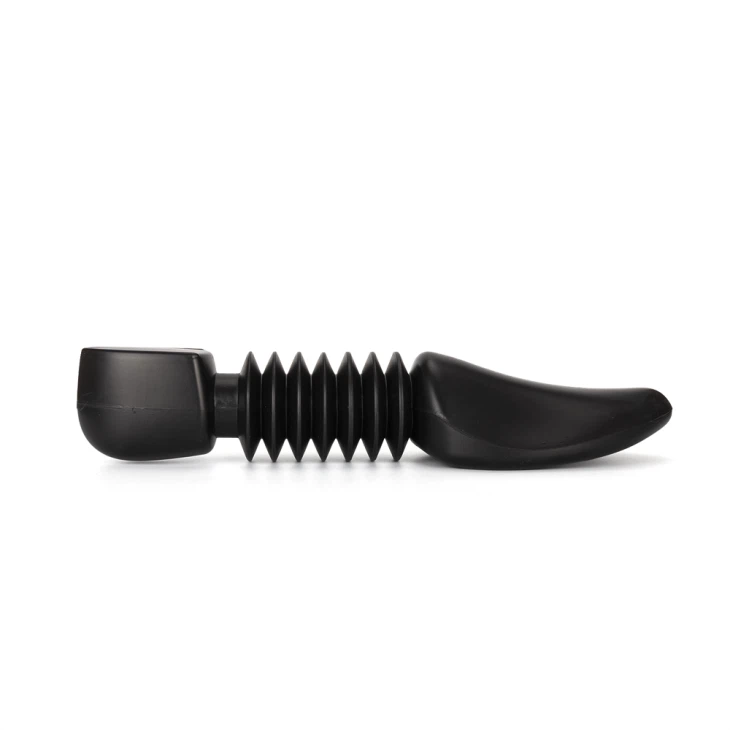
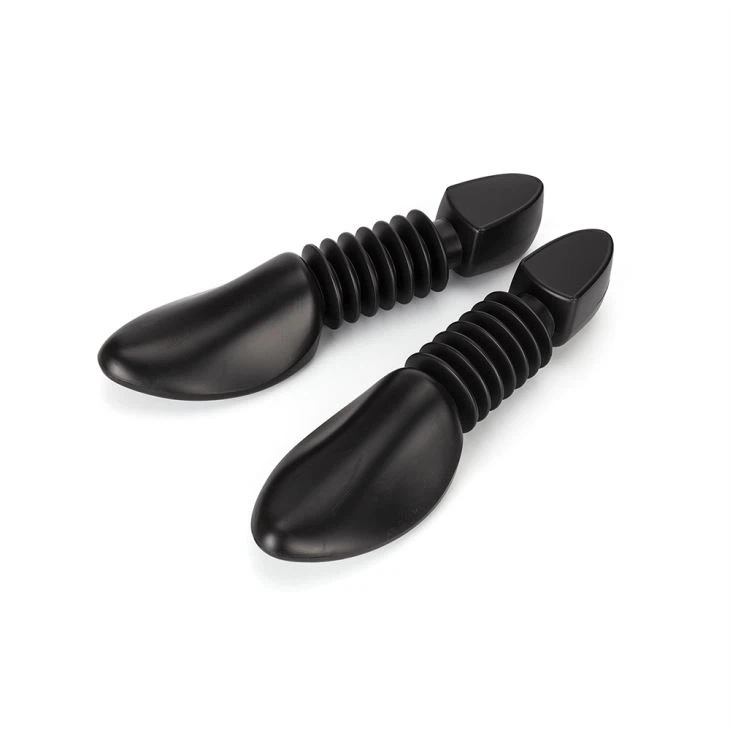
We also have Adjustable Plastic Shoe Shaper XC - B02 and Adjustable Plastic Shoe Shaper XC - B01 which can help maintain the shape of your shoes when you're using inserts. And our Plastic Shoe Shapers are a great addition to keep your shoes in top condition.
If you're interested in learning more about our shoe inserts or have any questions, we'd love to hear from you. Whether you're a retailer looking to stock our products or an individual in need of the perfect insert, we're here to help. Reach out to us, and let's start a conversation about how we can find the best shoe insert solutions for you.
References
- "The Foot Book" by Dr. William A. Rossi
- "The Complete Guide to Foot Health" by American Podiatric Medical Association
So, there you have it. The disadvantages of shoe inserts, but also the ways we're working to overcome them. Don't let these drawbacks scare you away. With the right knowledge and the right products, you can still enjoy the benefits of shoe inserts without too many problems.