
Table of Contents
Why Buyers Look Beyond Unit Price
44 Production Equipment Units Across 7 Major Production Lines
The Four Stages of Quality Control
R&D, Testing and Product Development
OEM, ODM and Private Label Customization
What Buyers Should Check Before Choosing a Supplier
Building a Reliable Cleaning Products Supply Chain
When sourcing shoe care and cleaning products, one question often comes up: What makes a reliable manufacturer different from a supplier that simply offers a competitive price?
At first glance, two factories may offer similar products, packaging and quotations. However, the differences often become clear when buyers start discussing customized formulations, packaging requirements, sample approval and mass production.
For brands, importers and wholesalers, choosing the right manufacturing partner is about more than the product itself. It is about finding a supplier that can coordinate production, maintain agreed specifications and support long-term business requirements.
In this article, we take a closer look at BIKI's manufacturing capabilities, production resources and quality control process, and explain what these capabilities mean for international buyers.
Why Buyers Look Beyond Unit Price
The cleaning products business covers a wide range of products and applications. Shoe care products, automotive cleaning solutions and household cleaning accessories may share some manufacturing requirements, but each category has its own product specifications, packaging needs and quality considerations.
For buyers developing their own brands, these differences can make supplier selection more complicated than expected.
Product variety is increasing. A shoe care brand may need sneaker cleaning foam, leather care products, waterproofing sprays, shine sponges and complete cleaning kits. Managing several products and packaging formats requires effective coordination between different production processes.
Packaging is part of the product. For private label projects, buyers often need customized bottles, labels, retail boxes, blister packs or coordinated product sets. A suitable manufacturer should be able to discuss these requirements before mass production begins.
Quality consistency matters. A sample may look good, but buyers also need confidence that the finished order will follow the agreed specifications. This is why material inspection, sample approval, in-process checks and outgoing inspection are important parts of manufacturing.
These considerations explain why experienced buyers look beyond the initial quotation. A competitive price is valuable, but production capabilities, quality management and customization support also influence the overall sourcing decision.
44 Production Equipment Units Across 7 Major Production Lines
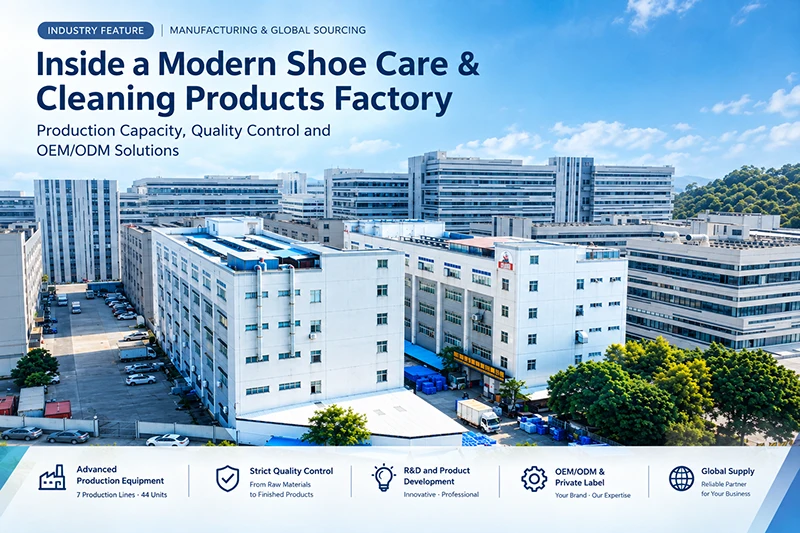
Located in Zhongshan, Guangdong, China, BIKI specializes in shoe care products and provides manufacturing and customization support for international customers. Its factory covers approximately 22,000 square meters and supports product development, production and packaging operations.
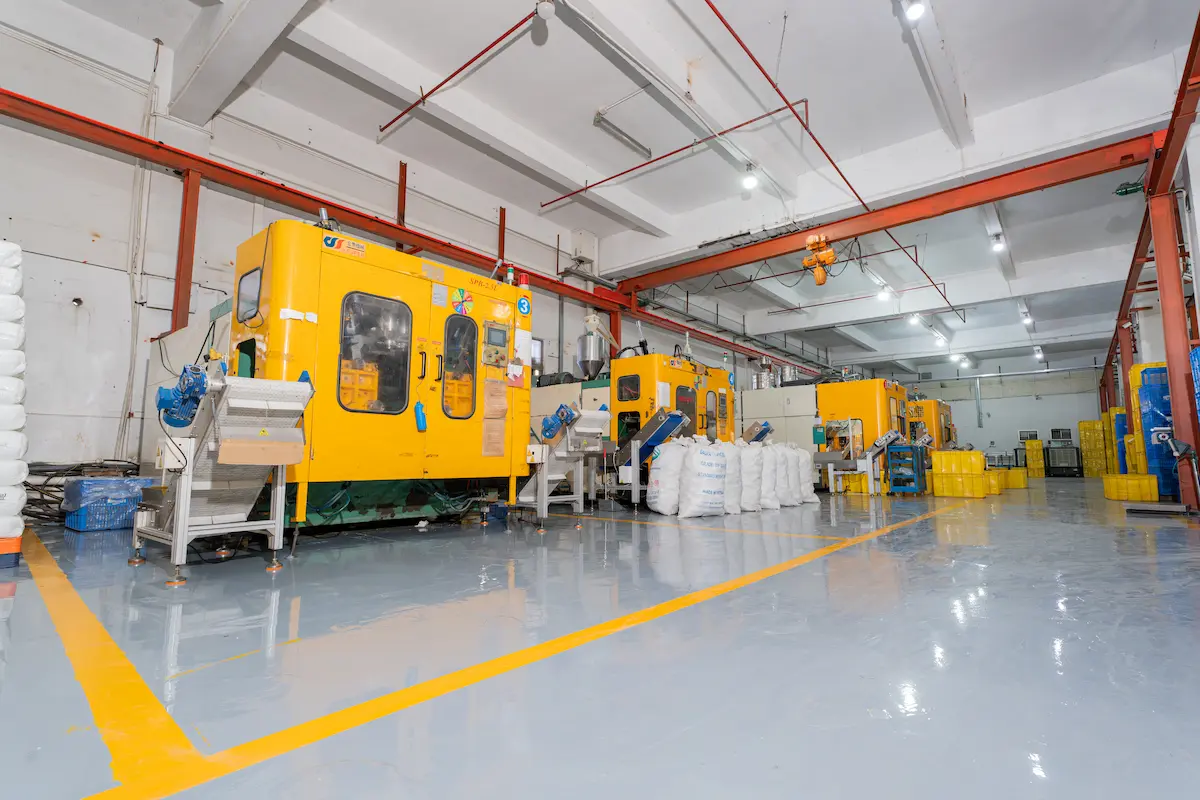
BIKI's reported equipment base includes 44 production machines and equipment units supporting 7 major production lines. These resources serve different manufacturing and processing requirements across its product range.
The equipment breakdown is as follows:
Injection molding machines: 10 units
Packaging machines: 12 units
Bottle-blowing machines: 7 units
Sponge laminating equipment: 6 units
Wet wipes machines: 5 units
Magnetic stirrers: 3 units
Sponge cutting equipment: 1 unit
Together, these categories account for 44 machines and equipment units. They should not be confused with 44 separate production lines.
Different products require different manufacturing processes. Liquid cleaning products, sponge applicators, cleaning accessories and retail-ready kits do not all follow the same production route. Dedicated equipment and specialized processing capabilities help support these different requirements.
For example, a sneaker cleaning kit may combine a cleaning formulation, a bottle, a brush, a microfiber cloth and retail packaging. Each component needs to be considered when planning the finished product.
By coordinating product components and packaging requirements, a manufacturer can help buyers develop a more complete product offering rather than sourcing every component independently.
BIKI 7 Manufacturing Lines
Injection molding machines: 10 units
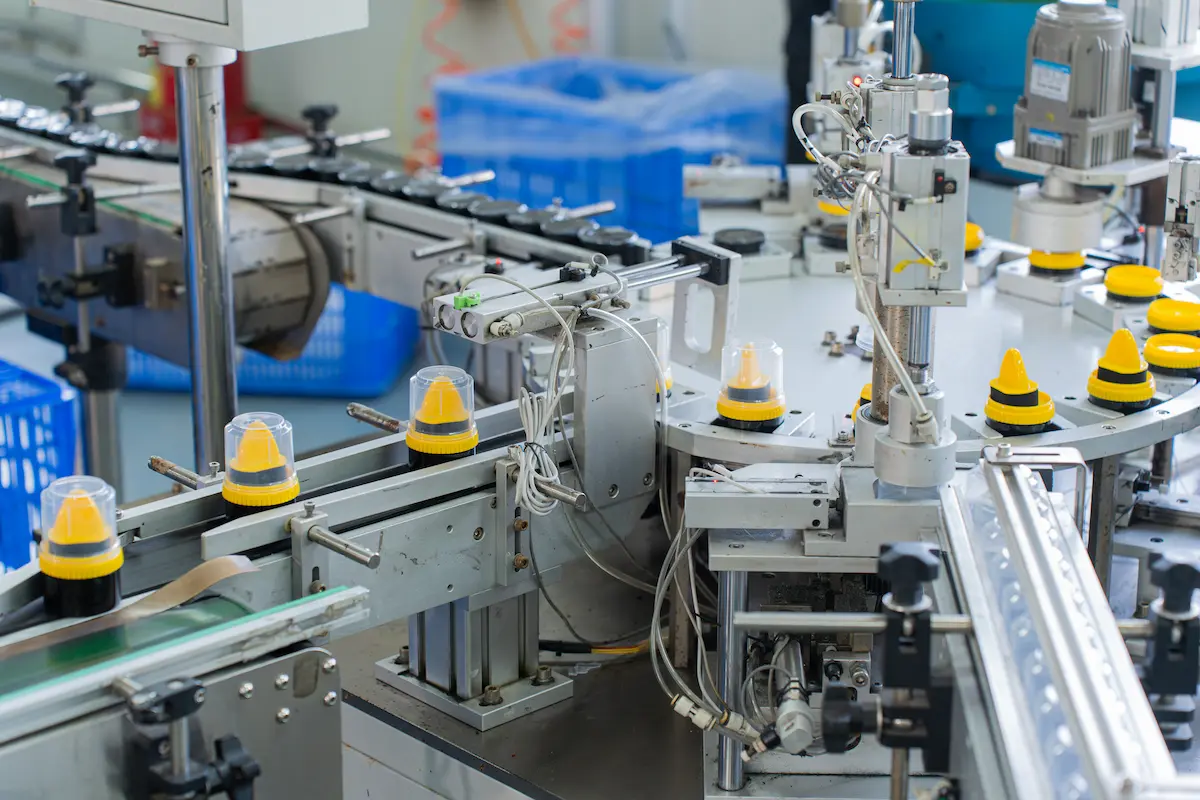
Packaging machines: 12 units
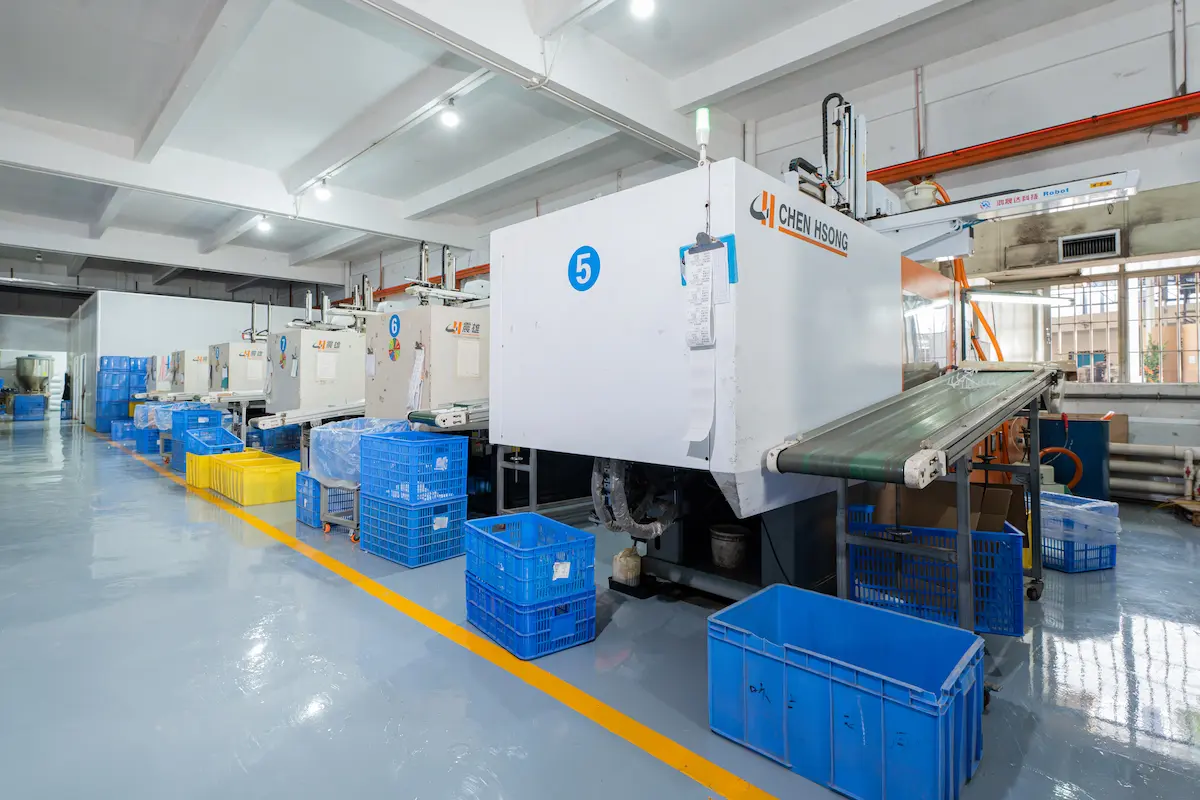
Bottle-blowing machines: 7 units
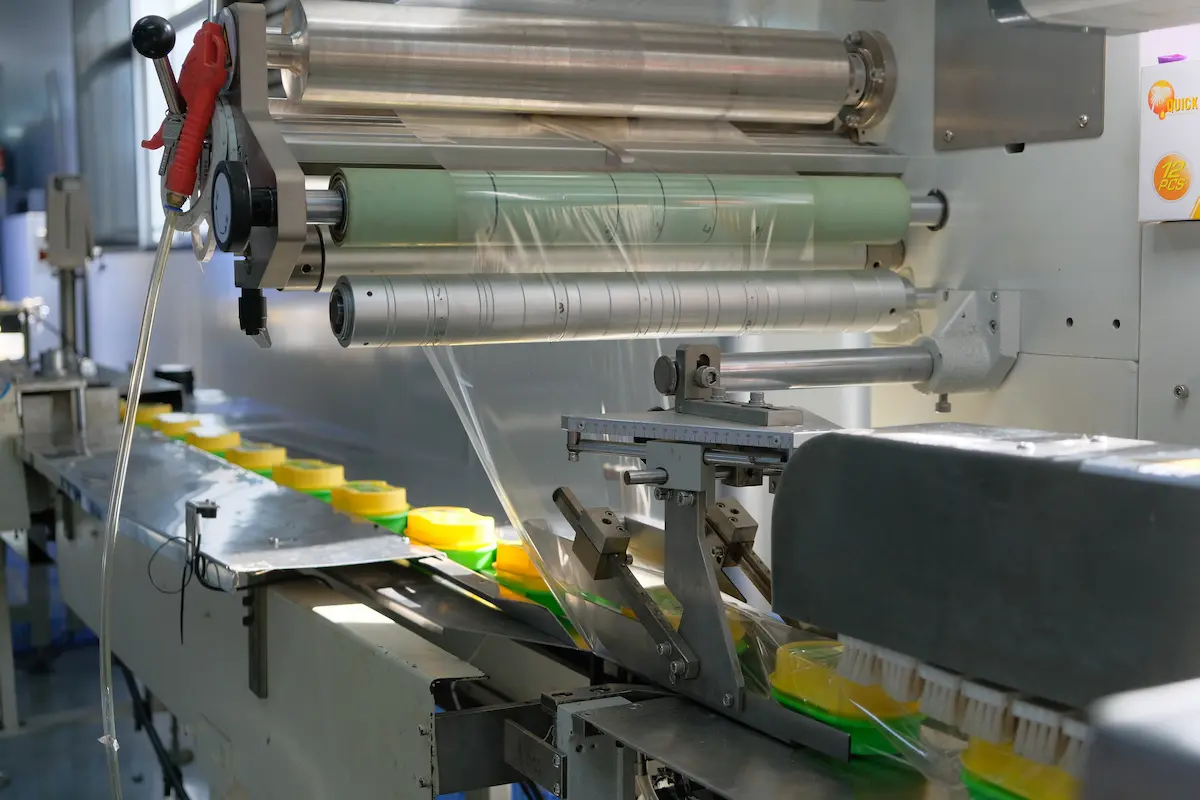
Sponge laminating equipment: 6 units

Wet wipes machines: 5 units

Magnetic stirrers: 3 units
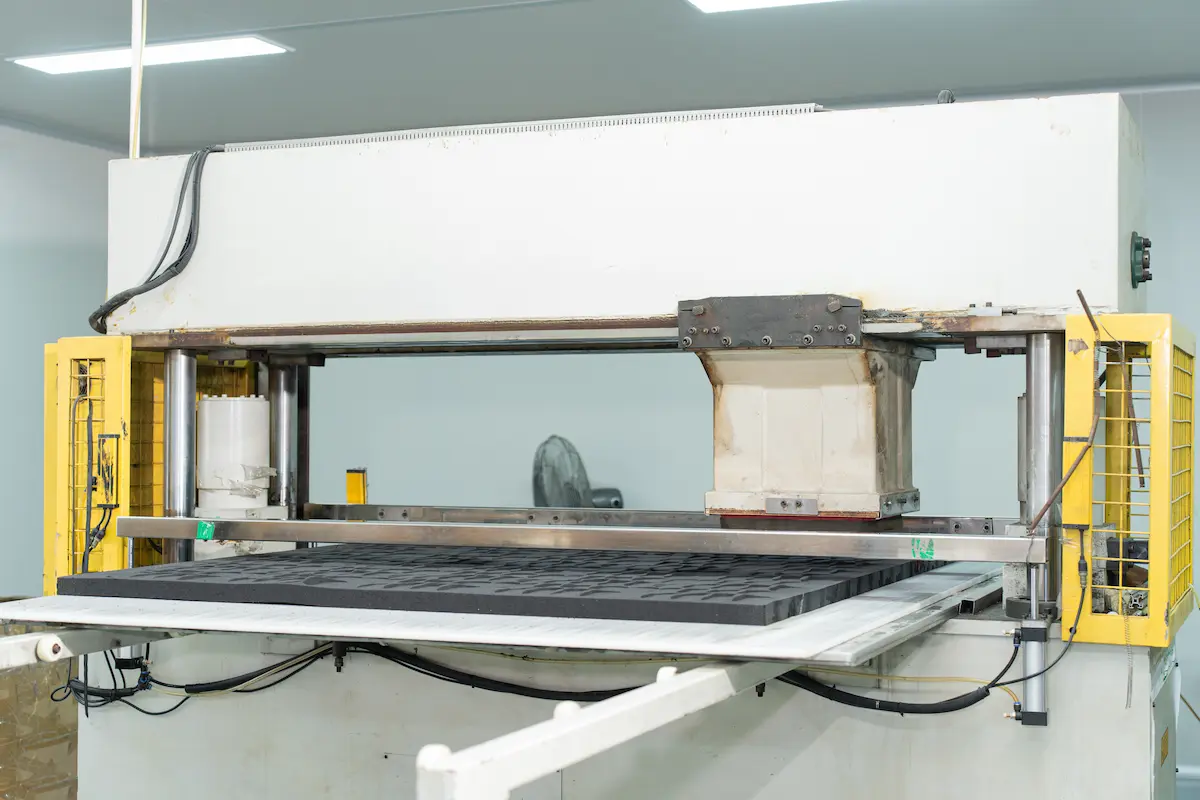
Sponge cutting equipment: 1 unit
Actual production arrangements, available capacity and lead times depend on the product specification, order quantity and production schedule. Buyers should confirm these details for each project.
The Four Stages of Quality Control
Manufacturing capacity is only part of the picture. For international buyers, the more important question is whether a supplier can consistently produce goods that meet the agreed requirements.
BIKI's quality control workflow covers four key stages, from incoming materials to finished products before shipment.
Stage 1: Incoming Quality Control (IQC)
Before production begins, incoming raw materials and components are checked against supplier documentation and applicable internal requirements. This helps identify material discrepancies before they affect the production process.
Stage 2: Pre-Production Sample Testing and Approval
Before mass production, samples are evaluated against the agreed product specifications. Depending on the project, this may include formulation evaluation, packaging checks and customer sample approval.
This stage is especially important for OEM and ODM projects because it helps both parties confirm the product requirements before larger quantities are manufactured.
Stage 3: In-Process Quality Control (IPQC)
Quality checks continue during production. Relevant manufacturing steps are monitored according to the product and its specifications, helping identify potential deviations before they affect a larger quantity of goods.
Stage 4: Outgoing Quality Control (OQC)
Before shipment, finished products are inspected according to the applicable specifications and inspection requirements. Depending on the product, checks may cover packaging condition, product appearance, component completeness and other agreed acceptance criteria.
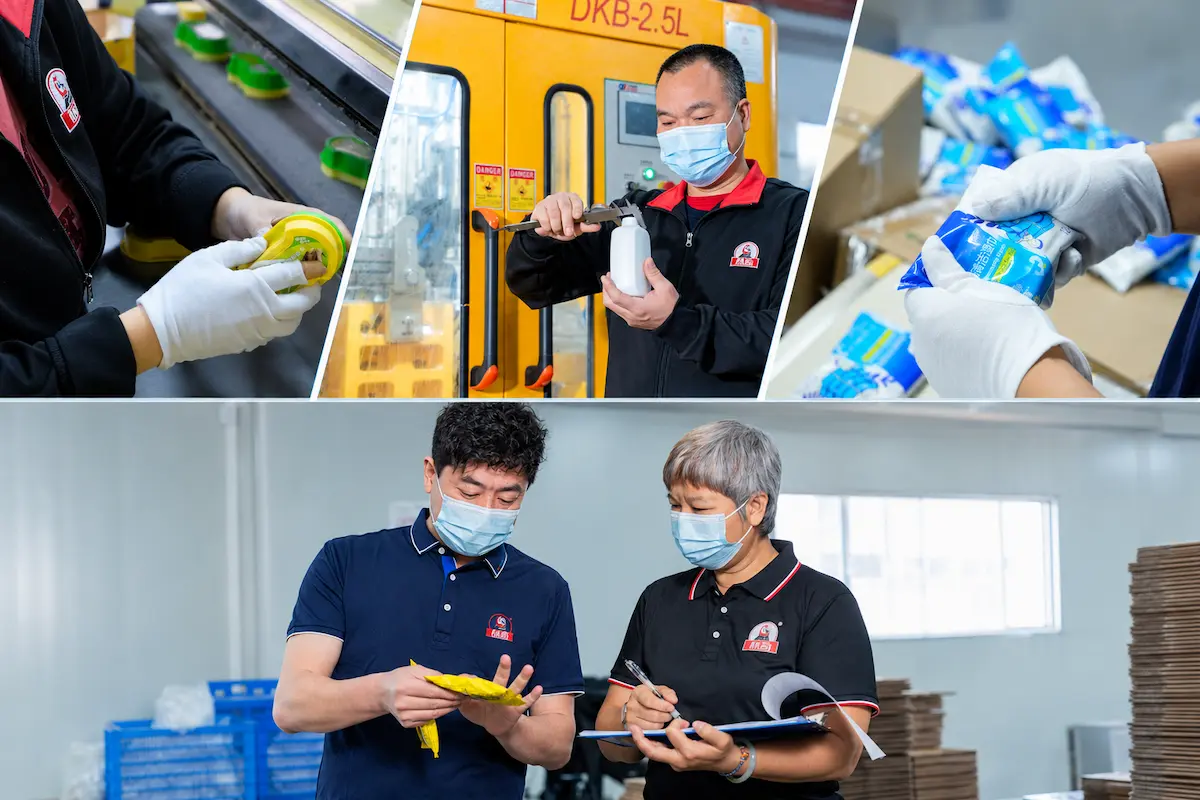
The advantage of this four-stage approach is that quality management does not depend on a single final inspection. Incoming inspection, sample approval, in-process checks and outgoing inspection each address different potential problems.
For buyers, it is worth asking a supplier how each stage is implemented, which acceptance criteria apply to the order and what inspection records can be provided when required.
R&D, Testing and Product Development
Product development is an important consideration for brands that want to create differentiated cleaning and care products.
BIKI supports product development and sample evaluation for shoe care and related cleaning products. Its R&D and testing resources support formulation development, sample assessment and production-related quality activities, depending on the requirements of each project.
For buyers, the process often begins with a product concept rather than a finished specification. A brand may have a target application, preferred packaging format or intended retail price, but still need to evaluate suitable product options before moving into production.
A typical development process may include the following steps:
1. Requirement discussion. Confirm the intended application, target market, product format and packaging preferences.
2. Product evaluation. Discuss suitable formulation and packaging options based on the project requirements.
3. Sample preparation. Prepare samples for review and evaluation.
4. Specification confirmation. Agree on the relevant product and packaging requirements before mass production.
5. Production preparation. Arrange manufacturing according to the approved specifications and applicable quality requirements.
Clear communication at the development stage helps reduce misunderstandings and unnecessary changes later in the project.
For customized products, buyers should also clarify which tests, technical documents or third-party reports are required for the intended market. Specific testing capabilities and compliance documentation should be confirmed for each product rather than assumed to apply to the entire product range.
OEM, ODM and Private Label Customization
For international brands and wholesalers, working with an OEM/ODM manufacturer can provide greater flexibility when developing a cleaning and care product range.
BIKI supports OEM, ODM and private label projects for shoe care products and selected automotive and household cleaning products. Depending on the project, buyers can discuss product selection, formulation requirements, packaging design and product set configurations.
Shoe care products
The shoe care range includes shoe polish, sneaker cleaning kits, leather care products, waterproofing sprays, shine sponges and related accessories. Different products can serve different consumer needs, from everyday sneaker maintenance to leather care and specialized cleaning applications.
Automotive care products
BIKI also offers selected automotive care products, including solutions for interior cleaning, glass care and headlight care. Buyers developing a car care brand can discuss suitable products and packaging according to their target market and project requirements.
Household cleaning products
Selected household cleaning products and accessories provide additional opportunities for buyers looking to expand their product portfolios.
Packaging and product set customization
Packaging plays an important role in product presentation and brand identity. Depending on the product, customization may include bottle formats, labels, retail boxes, blister packaging, bags and coordinated sets containing multiple products or accessories.
For example, a sneaker cleaning kit may combine a cleaning product with a brush and microfiber cloth. A leather care kit may include products for cleaning and conditioning. Buyers can discuss component selection and packaging configurations based on their positioning and sales channels.
MOQ and production planning
Minimum order quantities depend on the product and its components. Buyers should confirm MOQ, sample arrangements, packaging development requirements and estimated lead times when requesting a quotation.
Providing a clear product brief, target quantity and packaging concept at the beginning of the project helps the manufacturer evaluate feasibility and prepare a more relevant proposal.
What Buyers Should Check Before Choosing a Supplier
Choosing a cleaning products manufacturer involves evaluating more than product appearance or quotation price. A few practical questions can help buyers understand whether a supplier is suitable for their business.
1. Does the factory have relevant manufacturing capabilities?
Check whether the supplier's equipment and production processes match your intended products. Ask about the production arrangements relevant to your order instead of relying on equipment counts alone.
2. How are product samples approved?
Clarify how samples are evaluated, how specifications are confirmed and how changes are handled before mass production.
3. What does the quality control process cover?
Ask about incoming material checks, in-process inspection and outgoing quality control. Confirm which acceptance criteria and inspection records are applicable to your order.
4. What customization options are available?
Discuss product formulations, packaging formats, labels, accessories and retail-ready sets. Make sure the available options match your target market and expected order quantity.
5. What documentation is required?
Different products and destination markets may have different regulatory requirements. Confirm the relevant technical documents, test reports, safety information and certifications before placing an order.
6. Can the supplier support your commercial requirements?
MOQ, sample costs, production lead time, packaging development and shipping arrangements all affect the overall sourcing decision. Confirm these details early to reduce the risk of unexpected costs or delays.
A manufacturer that can explain its production processes and project requirements clearly gives buyers a better foundation for making an informed sourcing decision.
Building a Reliable Cleaning Products Supply Chain
Reliable manufacturing is not defined by the number of machines in a factory alone. It depends on how production resources, product specifications, sample approval and quality inspection work together.
With a manufacturing facility of approximately 22,000 square meters, 44 reported production machines and equipment units supporting seven major production lines, and a four-stage quality control workflow, BIKI provides a manufacturing base for shoe care and related cleaning product projects.
For international brands, importers and wholesalers, these capabilities can support discussions about product development, customized packaging and private label manufacturing.
The most effective projects begin with clear requirements. By confirming product specifications, sample approval, quality criteria, MOQ and packaging details before mass production, buyers and manufacturers can establish more realistic expectations and a more coordinated production process.
Looking for a shoe care or cleaning products manufacturer for your next private label project?
Contact BIKI to discuss your product concept, customization requirements and sourcing needs. Our team can help you explore suitable product options and manufacturing arrangements based on your project.